Horse riding is a timeless and exhilarating hobby that offers a unique blend of physical activity and connection with nature. For beginners, the journey of mastering horse riding can seem daunting. However, with the right guidance and practice, anyone can learn to ride with confidence and enjoyment. This article will provide essential tips for beginners to help them master the art of horse riding.
Understanding the Basics
Before mounting a horse, it’s crucial to understand the basics of horse riding. This includes learning about different types of riding styles, horse anatomy, and essential equipment.
Riding Styles
There are several riding styles, but the most common are English and Western. English riding is typically associated with disciplines like dressage and show jumping, whereas Western riding is linked to activities like trail riding and rodeo events. Beginners should explore both styles to determine which suits their interests and goals.
Horse Anatomy
Understanding horse anatomy is vital for effective communication and control. Key areas to familiarize yourself with include the head, neck, withers, back, and legs. Knowing these parts will help you understand how your actions as a rider affect the horse.
Essential Equipment
Investing in the right equipment is crucial for safety and comfort. Essential items include a well-fitting helmet, riding boots with a heel, and appropriate clothing. Additionally, you’ll need tack for your horse, such as a saddle, bridle, and reins. It’s important to ensure that all equipment fits correctly to prevent accidents and discomfort for both you and your horse.
Building a Strong Foundation
Once familiar with the basics, it’s time to build a strong foundation. This involves learning how to safely approach, mount, and dismount the horse, as well as developing a proper riding posture.
Approaching the Horse
Approach the horse calmly and confidently from the side, speaking softly to avoid startling it. Always avoid approaching directly from the front or rear, as this is outside the horse’s field of vision and may spook it.
Mounting and Dismounting
When mounting, hold the reins in your left hand and the pommel of the saddle with your right. Place your left foot in the stirrup, push off with your right foot, and swing your right leg over the horse’s back. To dismount, reverse the process carefully. Practicing these steps will make the process smooth and secure.
Riding Posture
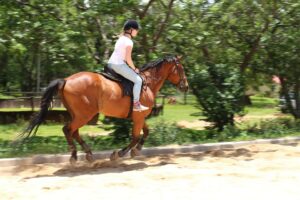
Maintaining a proper riding posture is crucial for balance and control. Keep your back straight, shoulders relaxed, and eyes forward. Your heels should be down, and your legs gently hugging the horse’s sides. This posture not only ensures better control but also helps prevent fatigue and injury.
Developing Riding Skills
With a solid foundation in place, focus on developing essential riding skills such as steering, stopping, and transitioning between gaits.
Steering
Steering a horse involves using reins and leg signals. Apply gentle pressure to the reins in the direction you wish to turn while using your inside leg to encourage the horse to move over. Practice steering at a walk before progressing to faster gaits.
Stopping
To stop, sit deep in the saddle and apply even pressure to both reins while slightly leaning back. This signals the horse to halt. Practice this at various speeds to ensure your horse responds promptly.
Transitioning Between Gaits
The basic gaits include the walk, trot, canter, and gallop. As a beginner, focus on mastering the walk and trot. Gradually work on transitioning smoothly between these gaits by using gentle leg and rein cues. As your confidence grows, you can progress to the canter and eventually the gallop under professional supervision.
Building a Relationship with Your Horse
Forming a bond with your horse is essential for a rewarding riding experience. Trust and communication are key components of this relationship.
Grooming
Regular grooming sessions help build trust and familiarity between you and your horse. Use a curry comb, hard brush, and soft brush to clean your horse’s coat, mane, and tail. Grooming not only keeps your horse healthy but also provides an opportunity to check for injuries or discomfort.
Understanding Horse Behavior
Horses communicate through body language. Learn to recognize signs of relaxation, such as a lowered head and relaxed ears, as well as signs of stress, like pinned ears or a swishing tail. Understanding these signals will help you respond appropriately and build a stronger connection with your horse.
Staying Safe
Safety should always be a top priority when riding horses. Following these safety tips will help prevent accidents and ensure a positive riding experience.
Riding Environment
Always ride in a safe, enclosed area, especially as a beginner. Ensure the ground is free of obstacles that could cause your horse to trip or stumble. Riding with a partner or instructor is also recommended for additional safety.
Listening to Your Horse
Pay attention to your horse’s behavior and responses. If your horse seems agitated or uncomfortable, take a break and assess the situation. Ignoring these cues can lead to accidents or injuries.
Seeking Professional Guidance
Enlist the help of a qualified instructor when starting your horse riding journey. They can provide valuable feedback, correct your techniques, and guide you through more advanced skills as you progress.
Practicing Patience and Perseverance
Mastering horse riding takes time and dedication. It’s important to stay patient and persistent, celebrating small victories along the way.
Setting Realistic Goals
Set achievable goals for each riding session, focusing on incremental improvements. This approach will keep you motivated and prevent frustration.
Embracing Challenges
Every rider faces challenges. Whether it’s mastering a new skill or overcoming a fear, embrace these challenges as opportunities for growth. Remember, every rider was once a beginner.
Conclusion
Horse riding is a rewarding and fulfilling pursuit that offers countless benefits. By understanding the basics, building a solid foundation, developing riding skills, and building a relationship with your horse, beginners can master the art of horse riding. Remember to prioritize safety, seek professional guidance, and practice patience and perseverance. With time and dedication, you’ll find joy and satisfaction in your horse riding journey. Happy riding!